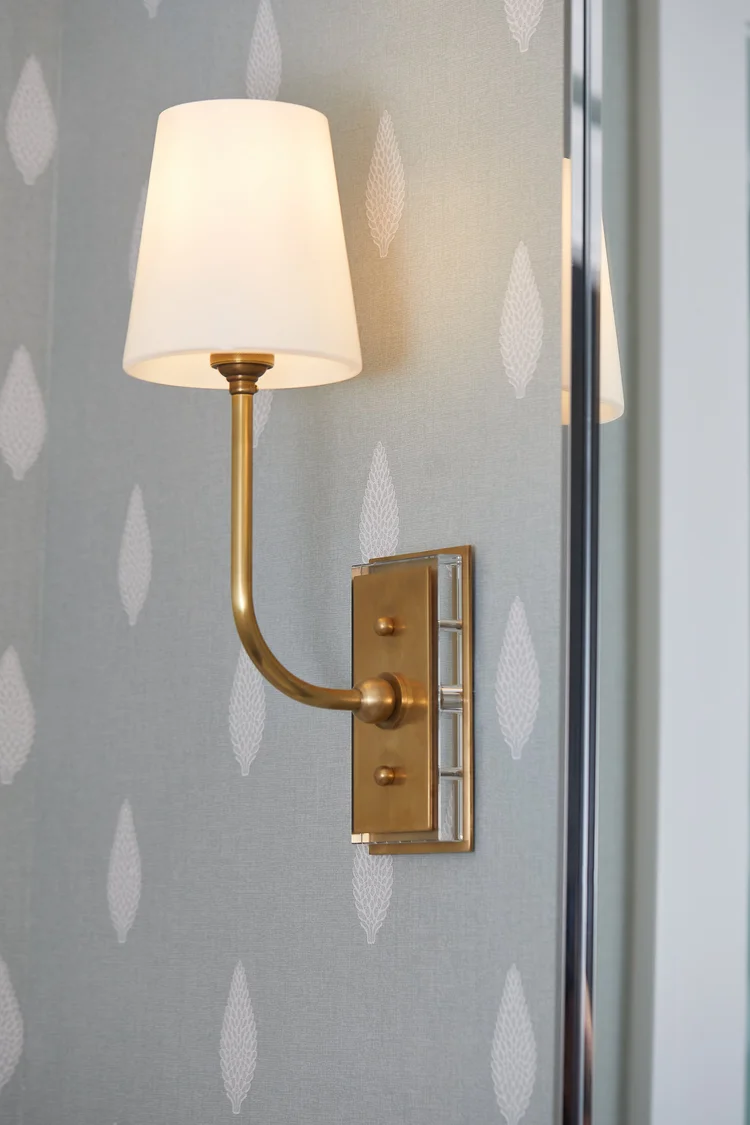
Many homeowners across West Michigan find themselves caught in a design tug-of-war when trying to establish their personal style. You might love the clean lines, minimalism, and airy feel of contemporary spaces, but you also crave the warmth, character, and historic charm of classic design. The good news is that you do not have to choose just one. In fact, some of the most captivating and deeply personal interiors are those that successfully blend the old with the new. When you mix modern and traditional elements, you create a transitional style that feels layered, curated, and timeless rather than stuck in a single era. For families in Grandville, Hudsonville, Jenison, and the surrounding areas, achieving this balance is the key to creating a home that feels both sophisticated and incredibly welcoming.
Designing a space with mixed styles requires a thoughtful approach to ensure the final look feels intentional rather than accidental. When done incorrectly, a room can easily end up looking disjointed, like a collection of random furniture pieces that do not belong together. When done correctly, however, the contrast between sleek modern lines and ornate traditional details creates a beautiful tension that elevates the entire home. The secret lies in understanding how to establish a sense of cohesion through color, scale, texture, and layout so that every single element has a clear purpose and a relationship to the pieces around it.
A fantastic place to start your design journey is by establishing a unifying color palette. A cohesive color scheme acts as the glue that binds disparate styles together. When mixing modern and traditional pieces, a neutral backdrop of soft whites, warm taupes, or muted grays allows your furniture and architectural details to stand out without competing with one another. Once you have a calm foundation, you can introduce a consistent accent color throughout the space to tie everything together. For instance, you might pair a sleek, minimalist sofa with classic, deeply carved wooden chairs, but upholster both in a similar high-quality linen fabric or keep them within the same tonal family. This subtle repetition of color tells the eye that these pieces belong in the same room, even if they were made decades apart.
Another essential technique is the eighty-twenty rule, which is a brilliant guideline for maintaining balance in any room. To keep your home from feeling chaotic, it is best to choose one dominant style to make up about eighty percent of the design, and then use the remaining twenty percent for your contrasting accents. If you live in a historic home with beautiful crown molding, original wood floors, and arched doorways, your dominant style is naturally traditional. You can modernize the space by introducing clean-lined light fixtures, contemporary abstract art, and low-profile minimalist furniture. Conversely, if you are working within a brand-new build with stark, clean lines, you can bring in soul and warmth by layering in antique rugs, a rustic wooden dining table, or vintage brass accessories.
Achieving this balance during a major home transformation is often best navigated with the help of a professional team. The local, highly experienced designers at Dwellings bring over fifteen years of expertise to helping West Michigan families blend styles seamlessly. They understand how to look at a space holistically, ensuring that your personal history, lifestyle, and aesthetic preferences are all woven into the design. Whether you want to preserve the architectural integrity of an older home while updating it for modern living, or you want to infuse a new build with vintage character, having a professional eye ensures that the transition between different design eras feels completely natural.
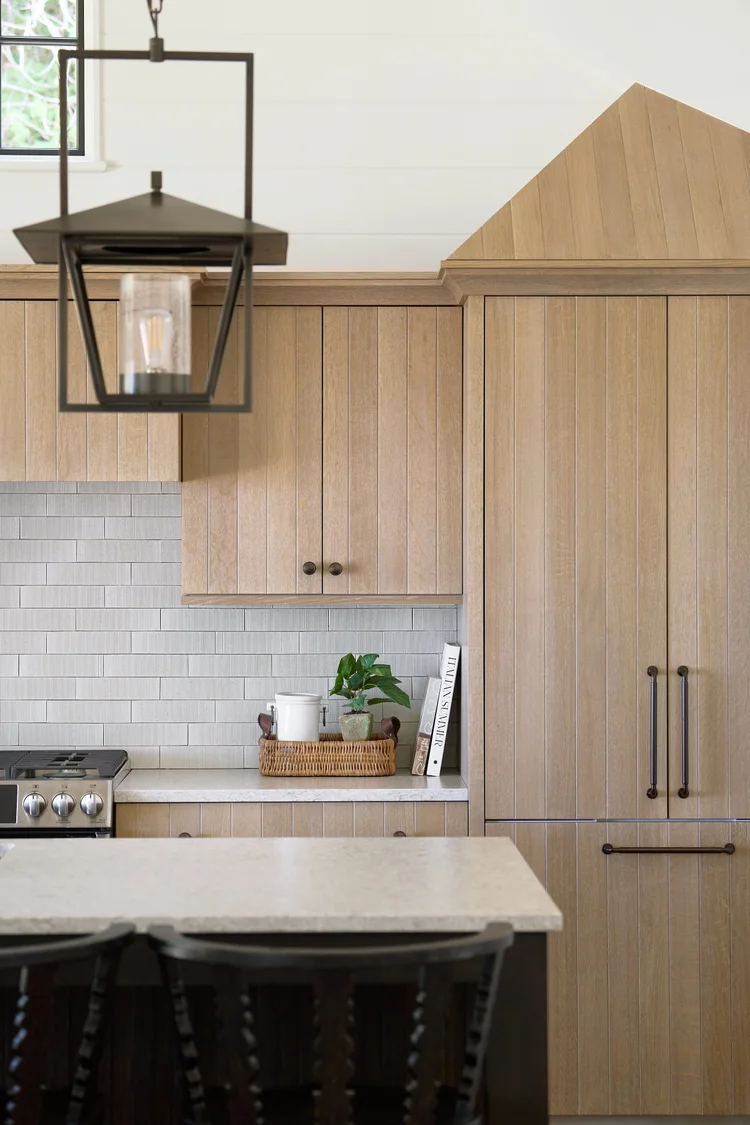
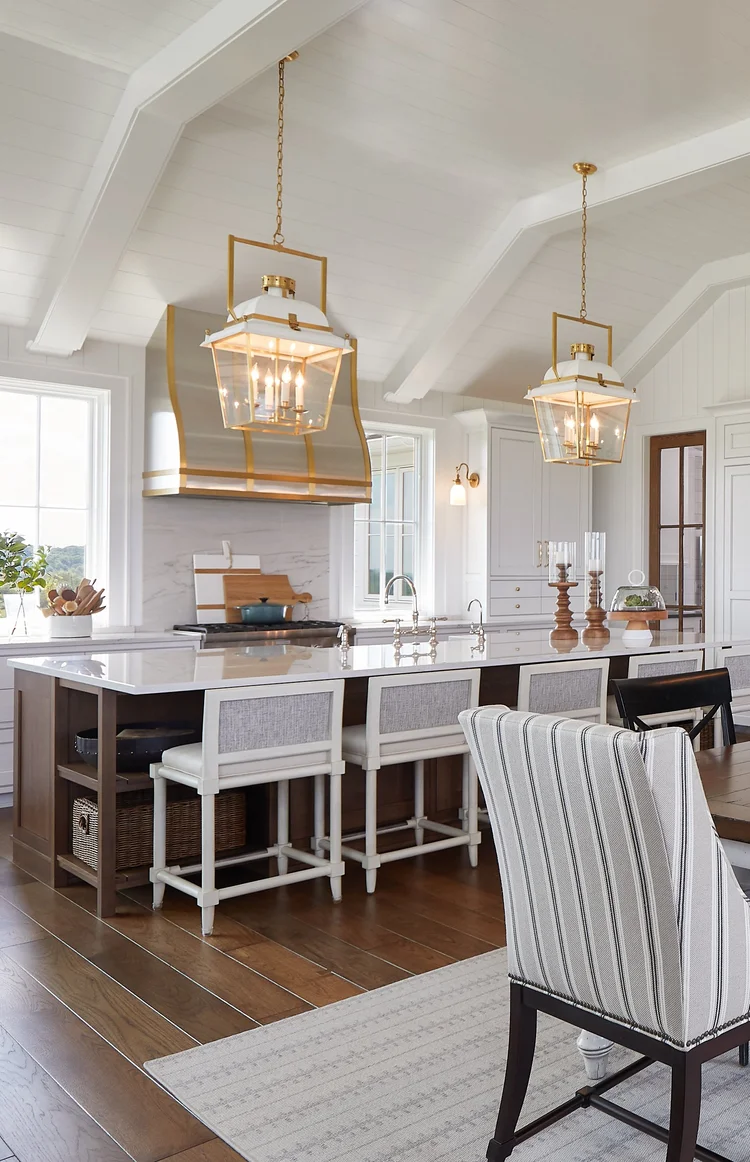
When planning comprehensive changes to your living spaces, embarking on professional remodels offers the perfect opportunity to build a cohesive modern-traditional foundation. A kitchen or bathroom remodel allows you to integrate timeless architectural elements, like classic shaker-style cabinets or elegant marble-look countertops, alongside state-of-the-art modern appliances and sleek, minimalist plumbing fixtures. By blending these styles directly into the hard finishes of your home, you create a rich, custom aesthetic that will stand the test of time and never feel dated. A professional designer can guide you in choosing which traditional features to preserve or replicate, and where to introduce modern innovations to maximize both beauty and daily functionality.
To truly understand how this delicate balance of styles looks in real life, you can explore a professional design portfolio filled with beautiful West Michigan homes. Seeing how different textures, eras, and shapes come together in completed projects can give you a clearer vision for your own space. You might see a dining room where a rustic, traditional trestle table is surrounded by sleek, mid-century modern chairs, or a cozy living room where a contemporary fireplace is flanked by antique built-in shelving. These real-world examples demonstrate that mixing styles is not about following strict rules, but about finding creative ways to let different design languages complement and elevate one another.
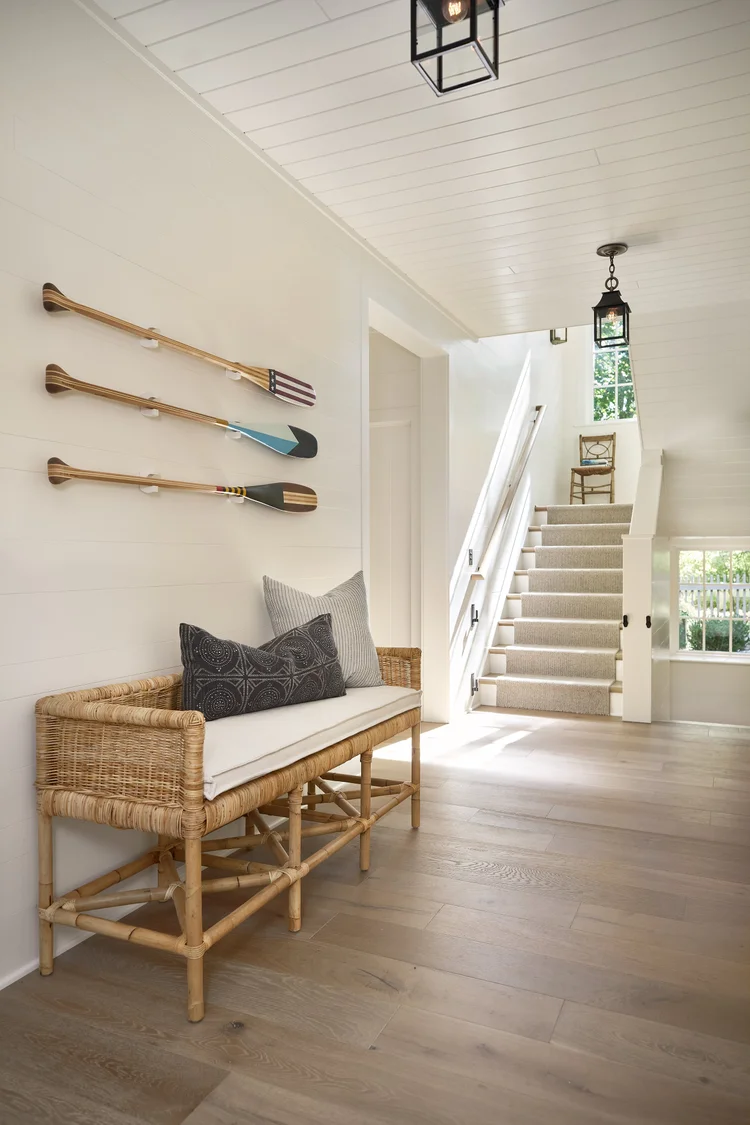
For projects that do not require full structural renovations, focusing on individual rooms through custom furnishings, window treatments, and accessories is incredibly impactful. The way you layer a single room can completely transform its energy. You can introduce a modern, geometric light fixture above a traditional rolled-arm sofa, or place a contemporary metal coffee table on top of a vintage Persian rug. The key is to pay close attention to scale and proportion. If your traditional furniture is heavy and dark, balance it with modern elements that feel light, airy, and reflective, such as glass, polished metals, or light-colored fabrics. This thoughtful contrast prevents the room from feeling too heavy or, conversely, too cold and sterile.
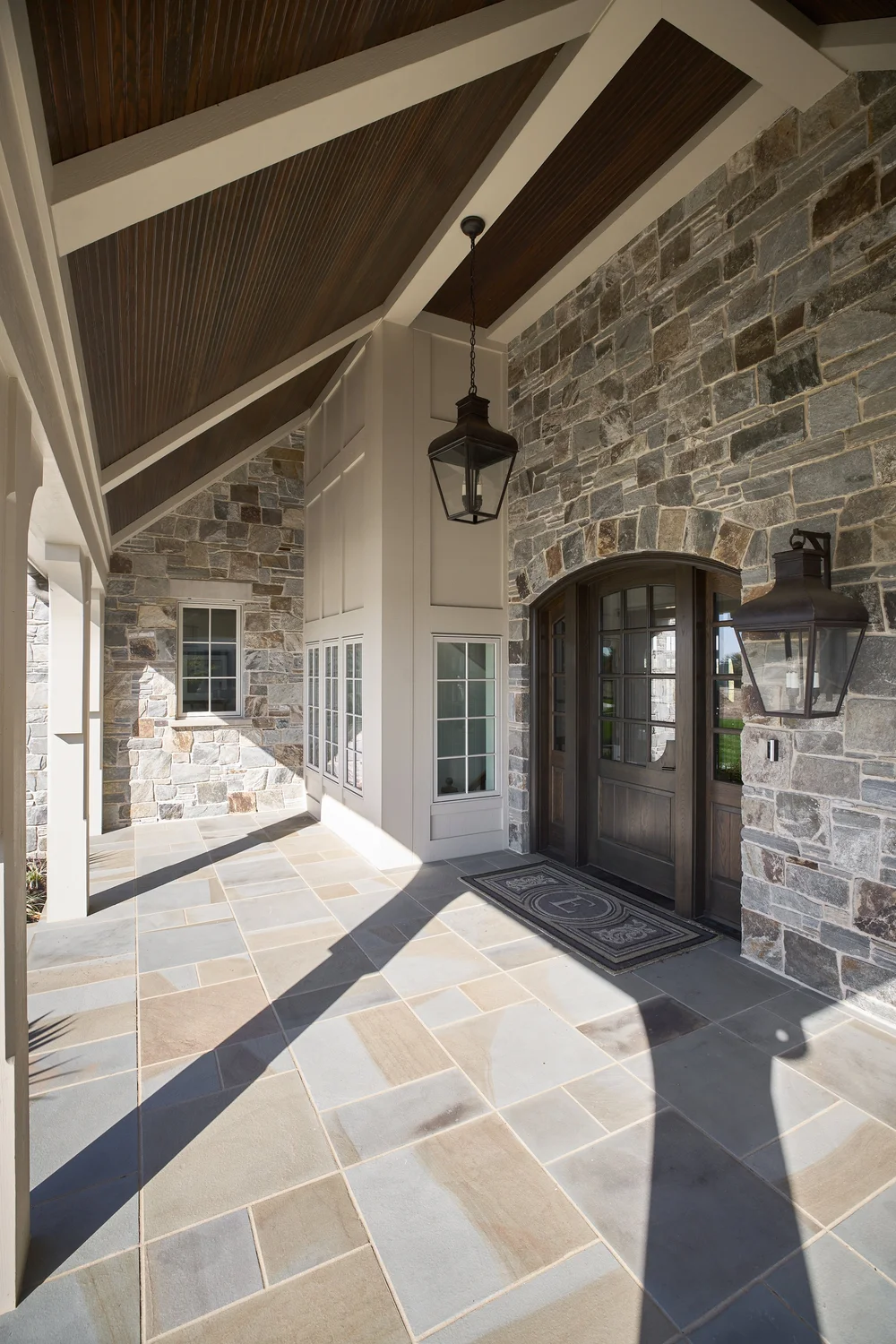
For those who are starting with a completely blank canvas, incorporating this mixed aesthetic into new construction is a wonderful way to build character right from the start. Building a new home allows you to intentionally design architectural details that feel classic and grounded, such as exposed wooden ceiling beams, built-in cabinetry, and traditional hearths, while simultaneously enjoying the open-concept layouts, large windows, and clean lines of modern architecture. Designing a custom home with a blend of styles ensures that your new build feels warm, lived-in, and full of personality from the day you move in, rather than feeling like a stark, cookie-cutter space.
Ultimately, creating a cohesive home that mixes modern and traditional styles is about telling your unique story. Your home should not look like a showroom where everything was purchased on the same day from the same catalog. It should feel like a collection of your favorite things, gathered over time and arranged with care. By utilizing neutral color palettes, respecting the natural architecture of your home, balancing your furniture scales, and relying on professional guidance when needed, you can craft a space that feels deeply personal, incredibly comfortable, and beautifully timeless. Whether you are in Grandville, East Grand Rapids, Ada, or anywhere else in West Michigan, the perfect blend of old and new is waiting to bring your dream home to life.