West Michigan possesses one of the richest architectural landscapes in the Midwest, defined by elegant craftsman bungalows, mid-century modern gems, grand Victorian structures, and stately classic colonials. Neighborhoods across Grand Rapids, such as Heritage Hill, East Grand Rapids, and Eastown, as well as established areas in neighboring Grandville, Hudsonville, Jenison, and Wyoming, are celebrated for homes built with undeniable character, solid framing, and intricate architectural detail. Yet, living comfortably in an older property often presents a distinct set of challenges for contemporary homeowners. Historical footprints frequently feature compartmentalized rooms, narrow staircases, outdated utility placement, and limited natural light that no longer fit the flow of modern daily life.
The key to a successful historic home renovation lies in striking a delicate balance between honor and evolution. Preserving original craftsmanship, custom woodwork, stained glass, original fireplaces, and historic exterior profiles ensures that the soul of the home remains intact. At the same time, sensitive updates must introduce open sightlines, functional storage, state-of-the-art kitchen features, luxurious bathrooms, and improved energy efficiency. Achieving this harmony demands a thoughtful design strategy rather than a standard renovation approach, ensuring every modern intervention feels organic and complementary to the building’s original period aesthetic.
A critical first step in updating an older property is analyzing how spatial layout influences movement and connectivity. Early twentieth-century architecture prioritized segmented, specialized rooms designed to keep heating localized and separate household functions. Today, families prefer interconnected living areas where cooking, dining, and relaxing flow naturally together. Through strategic wall removals, widened archways, and carefully proportioned openings, experienced designers can open up a historic interior while respecting original load-bearing elements and architectural boundaries. This structural approach allows abundant natural light to travel across the floor plan while establishing seamless transitions between living spaces.
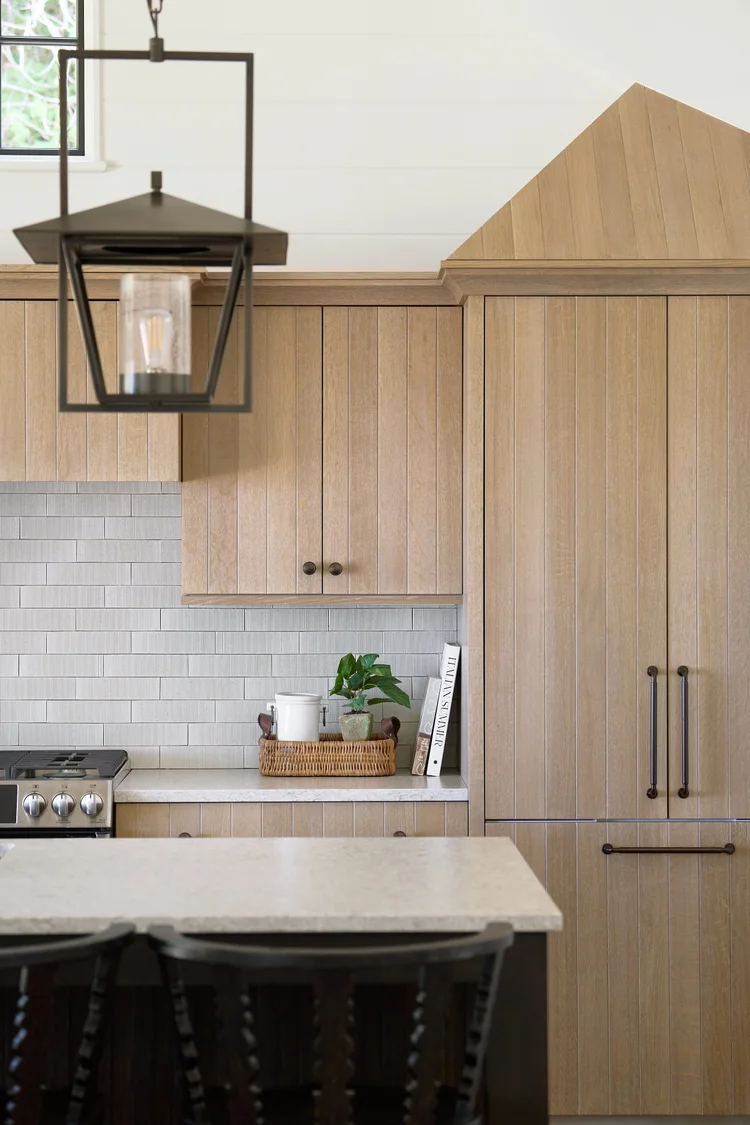
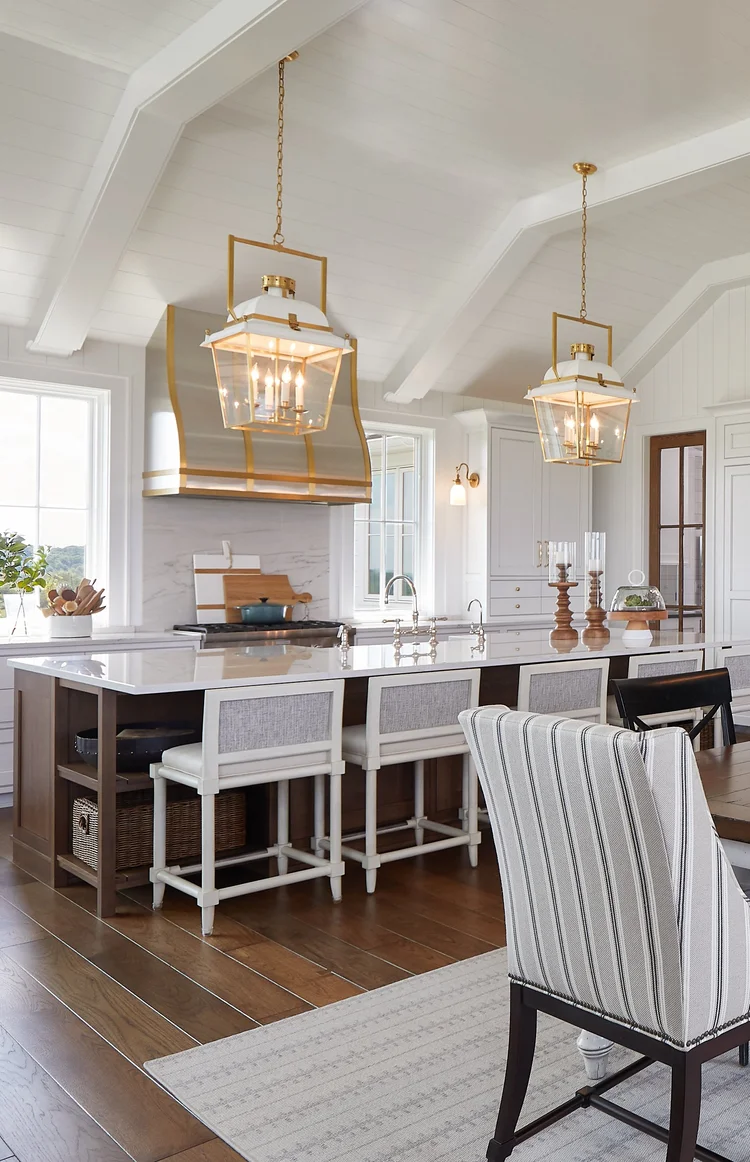
Kitchens and primary bathrooms represent the most frequent focal points when modernizing an older residence. Historical kitchens were often small, utility-driven spaces tucked away at the rear of the house, whereas modern kitchens serve as the vibrant, social center of the home. Modernizing these spaces requires custom cabinetry solutions that mimic period-appropriate millwork—such as inset door styles, custom crown molding, and classic beadboard details—while concealing state-of-the-art appliances, pull-out storage, and hidden electrical outlets. By exploring comprehensive home remodel services, homeowners can upgrade plumbing, lighting, and layout functionality while selecting timeless stone surfaces, unlacquered brass hardware, and hand-finished tiles that feel historically grounded.
Preserving original architectural elements while introducing contemporary amenities requires deep collaboration among designers, craftspeople, and specialized trade contractors. Historic renovations frequently uncover hidden structural quirks, non-standard dimensions, and original materials hidden behind previous decades of remodeling attempts. Navigating these unexpected discoveries requires a steady, creative hand. Working alongside an experienced interior design team ensures that every historic feature worth saving—from original oak flooring and plaster details to pocket doors and vintage leaded glass—is thoughtfully restored and highlighted within the new design scheme.
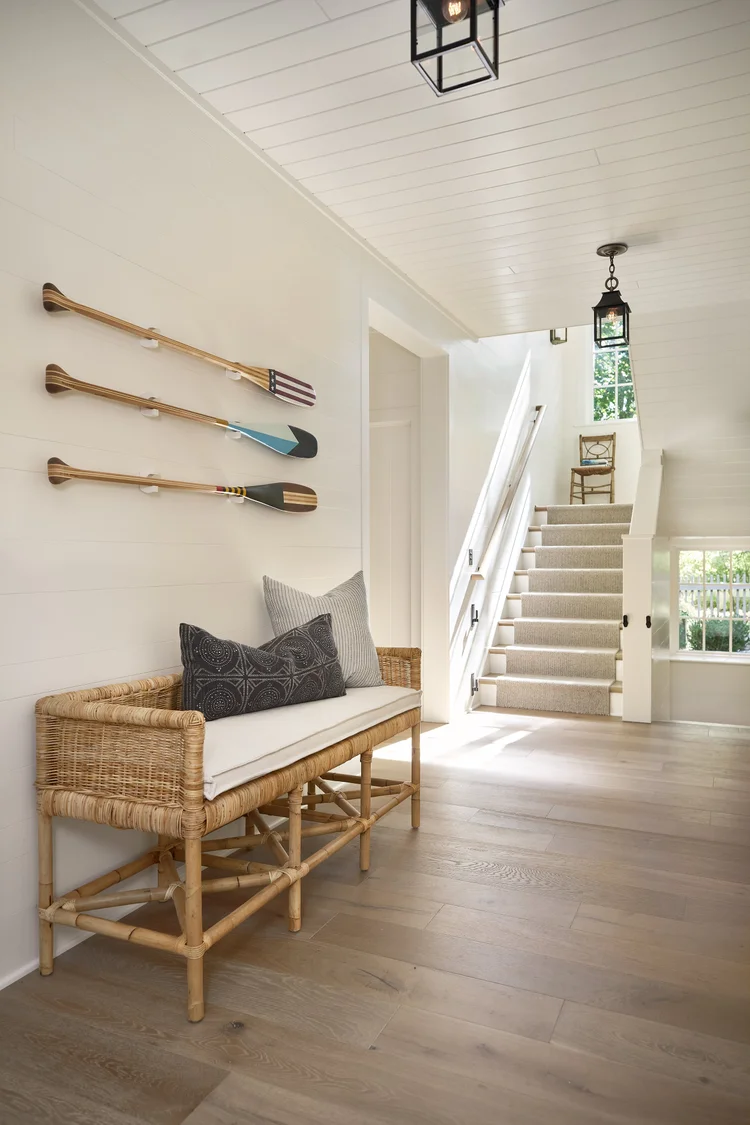
In addition to structural and kitchen reconfigurations, modernizing an older property involves curating interior finishes and furnishings that bridge past and present. Placing overly hyper-modern, minimalist furniture inside a detailed historic home can feel disjointed, while strictly adhering to period-exact furniture can make a home feel like a museum. The secret lies in layering transitional design elements. By utilizing custom room design and furnishings, designers can blend tailored contemporary sofas, sleek lighting fixtures, and performance textiles with antique wood accents, textured linens, and traditional rug patterns. This layered, eclectic approach creates depth and character, resulting in living rooms, dining spaces, and bedrooms that feel sophisticated, comfortable, and authentic.
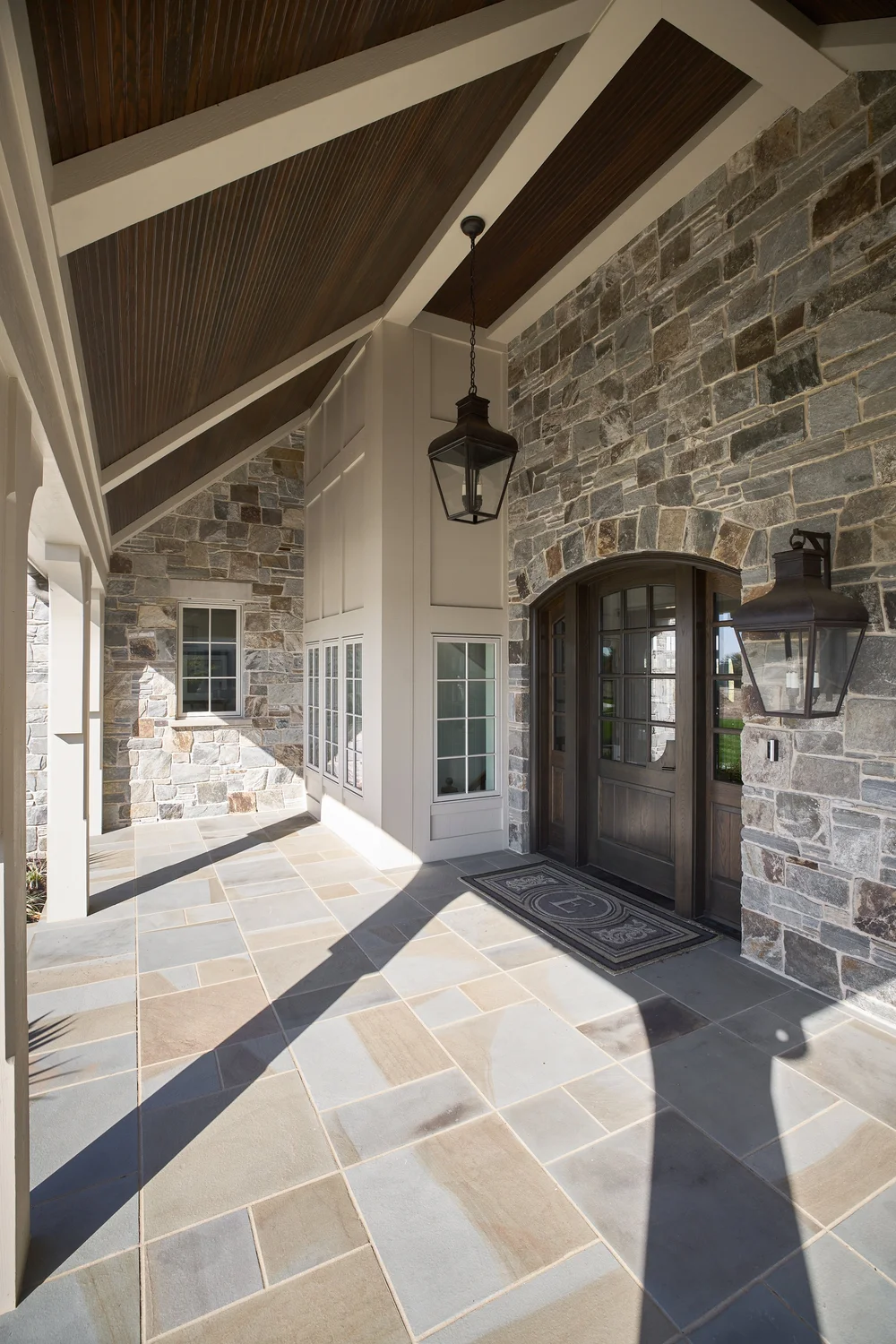
When historic home renovations extend into broader property updates or new additions, maintaining architectural continuity across old and new structures is paramount. Building an expansive family room addition, a main-floor primary suite, or a seamless garage connection requires careful alignment of ceiling heights, casing profiles, window styles, and flooring transitions. In cases where homeowners are expanding an existing estate or blending old world style with a fresh build, leveraging new home construction interior design expertise guarantees that all material selections, trim details, and lighting plans feel unified throughout the entire footprint.
Visualizing how classic architecture can be reimagined for modern living is often the spark that ignites a home transformation. Every historic structure has its own story, and seeing how other local homeowners have successfully preserved historic character while introducing modern luxury provides essential inspiration. By exploring a diverse interior design portfolio, prospective clients can discover real-world examples of historic home remodels, kitchen transformations, and bespoke furniture designs across Grand Rapids, Grandville, and the broader West Michigan area.
Ultimately, updating a historic home is an investment in both personal comfort and architectural heritage. By respecting original craftsmanship, rethinking floor plans for modern living, and introducing elevated custom furnishings, older homes can comfortably serve generations to come. Partnering with a dedicated local design studio ensures that your historic property evolution is executed with precision, creativity, and deep care, turning a cherished older home into an inspiring, functional masterpiece tailored to your family’s lifestyle.